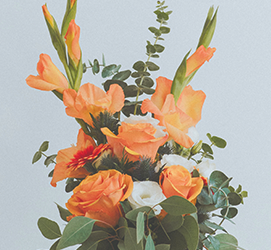
What to know about Haringey Council floral display permits
Posted on 10/10/2026
If you are trying to organise a floral display in Haringey, the permit side of things can feel a bit fiddly at first. You may just want the flowers to look right, arrive on time, and not cause a headache for anyone else. Fair enough. But with public-facing floral displays, memorial tributes, wedding arrangements, promotional flower setups, or anything placed in shared spaces, it helps to understand What to know about Haringey Council floral display permits before you move too far ahead.
This guide breaks the topic down in plain English. You will see what these permits are for, why they matter, how the process usually works, who needs to think about them, and the practical checks that save time later. We will also cover common mistakes, compliance points, and a few simple ways to keep things tidy, respectful, and realistic. In our experience, that is what keeps a floral plan smooth rather than stressful.
And yes, the details matter more than people expect. One small oversight can turn a nice display into a last-minute scramble. Nobody wants that on a wet London morning with a van full of flowers and a ticking clock.
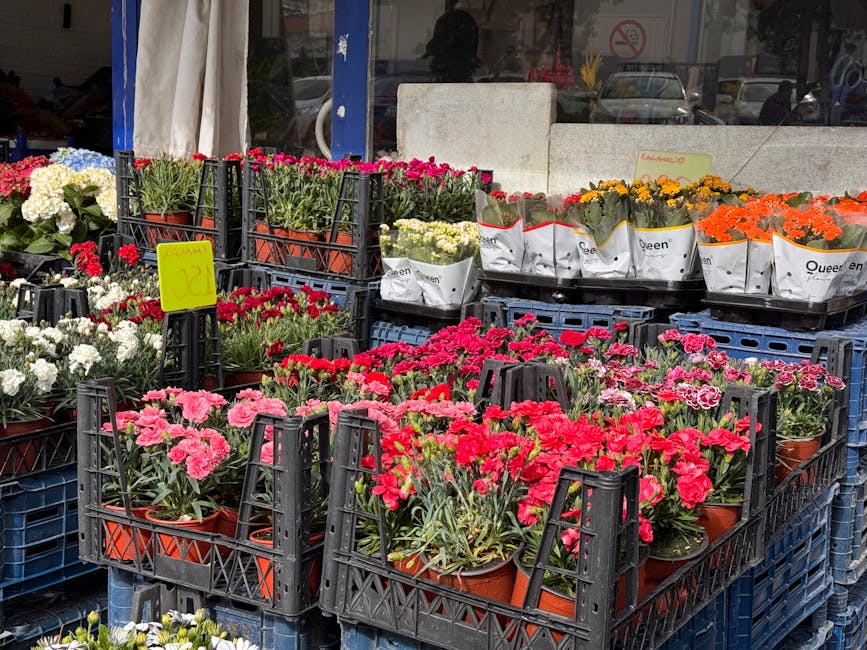
Why What to know about Haringey Council floral display permits Matters
At a basic level, a floral display permit is about making sure a display is allowed in the place you want it to be. That could mean a public pavement edge, a street frontage, a community area, a memorial setting, or another location where the council has a say over use of space. The point is not to be awkward. It is to keep shared areas safe, accessible, and properly managed.
In Haringey, that matters because streets and public spaces are busy, and flowers often sit close to foot traffic, shop entrances, transport routes, kerbs, railings, or event areas. If a display blocks access, creates trip hazards, or interferes with maintenance and cleaning, the council may require approval or ask for changes. That is the sort of detail people only notice once a complaint comes in. Better to get ahead of it.
There is also a reputation element. A neatly arranged display can add warmth and care to a place. A poorly planned one can look messy, overgrown, or out of place. To be fair, the difference is often simple: clear permission, the right scale, and sensible placement.
For anyone working with flowers professionally, permits are part of doing things properly. For private customers, they are a safeguard against wasted money and avoidable delays. If you are ordering flowers for a special event, a tribute, or a seasonal arrangement, it helps to start with the bigger picture: where the flowers will go, how long they will stay, and whether the location needs approval.
If you are planning a wider floral order for a home, celebration, or sympathy arrangement, it may also help to explore options such as flower delivery in Highgate N6 or browse a broader range of all flowers when you are still deciding on style and scale.
How What to know about Haringey Council floral display permits Works
The process is usually straightforward in principle, even if the wording on council pages can feel a bit formal. You identify the location, explain what the floral display is for, and confirm how the display will be installed, maintained, and removed. The council then decides whether permission is needed, whether conditions apply, or whether the display can go ahead as proposed.
The exact route may vary depending on whether the display is temporary or longer term, decorative or memorial in nature, private or public facing. That variation is important. A small vase inside a shop window is not the same as a floral installation stretching onto public land. A wedding table arrangement is a different thing again from a street display outside a venue. Same flowers, very different rules. Life is funny like that.
Most people should think about five practical questions:
- Where exactly will the display be placed?
- Will it touch public land, footpaths, or highway areas?
- How long will it stay in place?
- Could it affect accessibility, safety, or cleaning?
- Who will maintain or remove it?
If the answer to any of those points is unclear, you are already in permit territory. And if there is any doubt, that usually means asking before placing the display.
In practice, councils tend to look for sensible details: dimensions, placement, materials, fixing method, visibility, and whether the display might move in wind or block walkways. A calm, well-documented approach goes a long way. You do not need a dramatic pitch. You need clarity.
For flower orders that need to arrive quickly once permission is confirmed, options like same-day flower delivery in Highgate N6 can be useful when timing is tight. For less urgent planning, next-day flower delivery in Highgate N6 offers a little more breathing room.
Key Benefits and Practical Advantages
Getting the permit side sorted brings more value than people expect. It is not just a box-ticking exercise. It can protect your event, your budget, and your relationship with the location owner or council. That sounds a bit dry, but it matters when you are the one trying to keep everything smooth.
Here are the main advantages:
- Fewer delays: you avoid last-minute removals or awkward rescheduling.
- Better compliance: the display is less likely to breach local rules or site conditions.
- Safer placement: you reduce trip hazards and access issues.
- Cleaner presentation: the display is more likely to stay neat and intentional.
- Stronger planning: you can match the flowers, container, and location properly.
There is also a quiet financial benefit. A small amount of planning up front can save you from paying for a display that has to be moved, altered, or removed early. That is the sort of hidden cost that people only discover after the fact.
For businesses and event organisers, permits can also help demonstrate care and professionalism. If you are hosting a wedding, remembrance event, shop launch, or community gathering, a display that is clearly authorised tends to look more polished. It tells people the details have been thought through.
If you are sourcing flowers for a particular purpose, it can help to choose arrangements that suit the setting rather than trying to force a style that does not belong there. For example, a softer design such as white flowers or mixed colours may work better for a formal or commemorative display than something overly busy. Sometimes restraint is the clever choice.
Expert summary: The best floral displays are not always the biggest ones. They are the ones that fit the site, respect the rules, and are easy to keep in good condition from start to finish.
Who This Is For and When It Makes Sense
This topic is relevant to more people than you might think. It is not just for large organisers or council contractors. Small shops, cafes, local event planners, florists, families arranging tributes, wedding teams, and community groups may all need to think about permission if the display reaches beyond private space.
You may need to consider a floral display permit if you are:
- placing flowers in or near public space
- creating a tribute in a visible shared area
- setting up decorations for a wedding venue spill-out area
- adding flowers to a street-facing promotional display
- installing a temporary decorative feature for a public event
It also makes sense when the display is larger than a normal bouquet or clearly intended to stay in place for more than a short period. A single arrangement on a private table is one thing. A line of floral baskets along a frontage is another. The line can be finer than people expect, which is why a quick check saves grief later.
For funeral and memorial work, sensitivity matters as much as compliance. Families often want something beautiful but unobtrusive. In that setting, floral tributes such as wreaths, sprays, or tributes may be the right fit, but placement still needs careful thought if public land or shared access is involved.
And if you are wondering whether this applies to you, ask a simple question: would the display affect anyone who is not part of your household or business? If the answer is yes, pause and check. That is usually the sensible move.
Step-by-Step Guidance
Here is a practical way to approach the process without overcomplicating it. No grand theory. Just a working method.
- Define the purpose of the display. Is it for a wedding, memorial, celebration, shop frontage, or community event? The purpose shapes the kind of permission or planning needed.
- Pin down the exact location. Take note of the entrance, pavement edge, road frontage, railings, or any area that may count as public or shared space.
- Measure the footprint. Even rough dimensions help. Councils and site managers need to know whether the display will narrow access or block visibility.
- Check how long it will stay up. Temporary and longer-term displays are treated differently in practice, even if the rules are not written in plain language.
- Decide who is responsible. Who puts it in place, who checks it, and who takes it down? A display with no clear owner becomes a problem quickly.
- Prepare clear photographs or a simple sketch. A visual reference helps explain the plan much better than a vague description.
- Confirm any constraints. Access needs, fire routes, cleaning schedules, and nearby events can all affect approval.
- Choose flowers and containers that suit the site. Stable containers, tidy mechanics, and weather-appropriate materials reduce risk.
- Build in a removal plan. You need to know what happens when the display has served its purpose. That part is often forgotten, annoyingly.
If you are ordering stock as part of that plan, choosing from a curated range can help you stay focused. A practical florist range such as florist choice or best sellers can be handy when you need dependable designs rather than highly bespoke arrangements.
One more thing: keep the tone of your request clear and respectful. If you are asking a council or site manager for permission, brief and specific usually works better than long, emotional detail. Save the poetry for the flowers themselves.
Expert Tips for Better Results
Over time, the best floral display plans tend to follow a few simple habits. Nothing flashy. Just the stuff that makes real life easier.
Tip 1: Design for the weather, not just the photo. A display that looks lovely indoors may struggle outside in wind, rain, or cold. Choose materials and mechanics that can cope with a typical North London day, which may be sunny at lunch and drizzly by tea-time. Not ideal, but there we are.
Tip 2: Keep the palette tidy. Fewer colours can look more considered, especially in public-facing spaces. White, soft pink, purple, or mixed seasonal tones often read clearly from a distance. If you need something calmer, purple flowers or pink flowers can be elegant without feeling overdone.
Tip 3: Match the container to the risk. Heavy containers and secure bases are usually better for exposed areas. Light decorative wraps are lovely, but not if they blow over the first time the wind picks up.
Tip 4: Check sightlines. Floral pieces near roads, doors, or steps should never make movement harder. If someone has to sidestep awkwardly, the setup needs rethinking.
Tip 5: Think about the end date from the start. It is easy to focus on installation and forget removal. Set a reminder. Put it in writing. Simple, but very effective.
Tip 6: Keep the design proportionate. Bigger is not always better. A well-sized arrangement often looks more premium than a display that tries to do too much. Truth be told, overfilling a space is one of the fastest ways to lose elegance.
If you are helping someone choose flowers for a meaningful occasion, a few reliable product categories can support the process. For example, sympathy flowers, luxury flowers, or any occasion designs give you flexibility without starting from scratch.
Common Mistakes to Avoid
Most floral permit problems come from simple oversights rather than bad intentions. That is the funny part. People are usually just in a hurry.
- Assuming permission is not needed. If the display touches public space, assume it might need approval until you know otherwise.
- Being vague about location. "Outside the venue" is not enough. Be precise.
- Ignoring access routes. A lovely display is still a problem if it narrows a path or blocks a doorway.
- Using unstable structures. Lightweight pieces can topple, especially outdoors.
- Leaving removal to the last minute. This one catches people out a lot.
- Choosing flowers unsuited to the environment. Delicate blooms may not survive heat, wind, or long display periods.
- Forgetting maintenance. Water, support, and periodic checks are part of the plan.
Another common mistake is treating every floral display the same. A memorial tribute, a wedding feature, and a shop opening arrangement each have different sensitivities. A one-size-fits-all mindset rarely works. You can get away with it indoors more easily, but public or semi-public spaces are less forgiving.
And a small honest note: the paperwork bit is not glamorous. No one frames a permit email on the wall. But it can be the thing that saves the whole project from becoming a faff.
Tools, Resources and Recommendations
You do not need a huge toolkit, but a few practical items make floral display planning much easier. The best approach is usually the boring one: keep things organised, measurable, and easy to communicate.
| Tool or resource | Why it helps | Best use case |
|---|---|---|
| Measuring tape | Helps you confirm footprint and access space | Any display near entrances, paths, or boundaries |
| Phone camera | Provides a visual reference for the location and layout | Permit requests and pre-checks |
| Simple site sketch | Shows where the display sits in relation to the space | Clearer approvals and fewer misunderstandings |
| Weather-aware mechanics | Improves stability and longevity outdoors | Street-facing or exposed installations |
| Removal checklist | Stops the display being left behind too long | Temporary permits and event setups |
For customers who want a dependable selection without too much decision fatigue, collections such as flower care and flowers in a vase can be helpful when the setting calls for simplicity and practicality. If you are sending flowers as part of a wider occasion, the range at florist Highgate N6 also gives a useful starting point.
It is also worth keeping an eye on internal policy pages that explain ordering, payment, delivery, and guarantees, especially if your display is part of a paid floral service. Clear terms help everyone know what happens if timing changes or access is restricted.
Law, Compliance, Standards, or Best Practice
Because floral display permits can touch public space, access, and site management, they sit close to areas where councils expect responsible behaviour. You do not need to become a legal specialist, but you do need to act carefully and follow the rules that apply to the space you are using.
In practical terms, compliance usually means respecting the following principles:
- do not place items where they create a hazard
- do not block access routes or emergency access
- do not leave installations in place longer than allowed
- do not attach materials in a way that damages property
- do not assume verbal approval is enough if written permission is required
Best practice also includes keeping the display tidy over time. Flowers fade. Weather changes. Attachments loosen. A display that looked perfect at 9 a.m. can look tired by late afternoon if nobody checks it. That is just how it goes.
If the display is part of a sensitive event, such as a funeral or remembrance gathering, etiquette matters too. Quiet positioning, modest scale, and respectful colours can be as important as the formal permission itself. For those kinds of occasions, design choices like funeral flowers or sympathy flowers are often a more appropriate starting point than anything decorative or loud.
When in doubt, ask for confirmation before you install. It is much easier to adjust a plan early than to dismantle a display after someone has already complained. Been there, seen that, and it is never fun.
Options, Methods, or Comparison Table
Not every floral display needs the same level of planning. Here is a simple way to compare the most common approaches.
| Display type | Typical permission need | Main risk | Best for |
|---|---|---|---|
| Private indoor arrangement | Usually low or none | Minimal | Homes, private receptions, indoor tables |
| Shopfront floral display | May need checking if near public space | Access or visibility issues | Retail windows, entrances, promotions |
| Temporary event display | Often needs site-specific approval | Timing, crowd movement, removal | Weddings, launches, community events |
| Memorial or tribute display | Often requires careful checking | Respect, placement, duration | Public memorials, remembrance areas |
| Longer-term exterior display | More likely to need formal permission | Weather, maintenance, compliance | Street frontage, permanent decor, repeated use |
The main lesson here is simple: the more public the setting, the more carefully you should plan. If you are choosing flowers for a longer-lasting setup, sturdier styles such as chrysanthemums or carnations may offer better staying power than softer blooms that need extra support. Not always, but often enough to matter.
Case Study or Real-World Example
Here is a realistic example. A local business wants a floral display outside its entrance for a weekend celebration. The team imagines a few tall arrangements near the doorway, maybe with a couple of baskets to frame the entrance. Simple enough. But the proposed placement would narrow the route for people entering with buggies or mobility aids, and the shopfront sits close to a busy pavement.
Instead of rushing ahead, they measure the space, sketch the layout, and trim the plan. The final setup uses lower arrangements, heavier containers, and a clear gap for access. The colours are kept restrained, the flowers are weather-tolerant, and the removal time is agreed in advance. The result? A display that still looks celebratory, but does not cause any fuss.
That is really the pattern you see again and again. A good permit process does not kill creativity. It protects it. Once the practical limits are clear, you can make better design decisions. And the display usually looks more refined because of it.
For a family arrangement, the same logic applies in a gentler way. If the flowers are being used as part of a public memorial or shared gathering, a compact tribute or wreath can feel more appropriate than an oversized installation. The key is matching intention with setting, not simply choosing the biggest option on the page. That sounds obvious, but it saves a lot of awkwardness.
Practical Checklist
Use this checklist before placing or ordering a floral display that may need council approval.
- Have I identified the exact location?
- Does the display touch public land, a pavement, or a shared access area?
- Do I know whether permission is needed before installation?
- Have I measured the space and checked access routes?
- Is the display stable in likely weather conditions?
- Have I chosen flowers suitable for the setting and duration?
- Is there a clear installation date and removal date?
- Do I know who is responsible for maintenance?
- Have I prepared photos or a sketch if needed for approval?
- Have I considered how the display will look after a day or two, not just on arrival?
If you can answer yes to most of those, you are in a much better place. If not, pause and sort the gaps first. That little pause can save a lot of bother later.
Get a free quote today and see how much you can save.
Conclusion
The main thing to remember about Haringey Council floral display permits is that they are there to help public and shared spaces work properly. They are not meant to spoil a good idea. They are meant to make sure flowers can be enjoyed safely, respectfully, and without avoidable disruption.
If you are planning something small, check the setting first. If you are planning something public, visible, or longer term, be even more careful. The sensible route is to confirm the rules, choose the right style of display, and keep a clear eye on installation and removal. That is how you avoid the panicked last-minute phone call nobody wants.
In the end, good floral planning is a mix of care, common sense, and timing. Get those three right and the rest tends to fall into place. And when the flowers are out in the right spot on the right day, they really do lift a space. That never gets old.
Frequently Asked Questions
Do I always need permission for a floral display in Haringey?
Not always. It depends on where the display will go, whether it touches public space, how long it will stay there, and whether it affects access, safety, or site maintenance. Private indoor arrangements are usually simpler, while anything in a shared or public area should be checked first.
What counts as a floral display permit issue?
Anything that places flowers or floral structures in a location that could be managed by the council or impact public use of space may need permission. That can include shopfronts, pavements, event spill-out areas, memorial displays, or larger decorative features.
How far in advance should I check?
As early as possible. If your display is tied to a date, event, or memorial, it is better to ask before you buy or install anything. A quick check early on can prevent rushed changes later.
What information should I have ready?
Have the location, purpose, approximate size, duration, and installation method ready. Photos or a simple sketch are often useful too. The clearer your plan, the easier it is to get a sensible answer.
Can I place flowers outside my business without a permit?
Sometimes yes, sometimes no. If the display is entirely within your private boundary, it may be straightforward. If it reaches onto pavement, public land, or shared access space, you should assume it may need checking.
Are temporary event flowers treated differently from long-term displays?
Yes, usually. Temporary setups still need to be safe and well managed, but longer-term or repeated displays tend to raise more questions about maintenance, weather, and removal.
What happens if the display blocks access?
It may be refused, asked to be moved, or removed. Access issues are one of the biggest concerns in public-facing spaces, especially where pedestrians, buggies, mobility aids, or emergency routes are involved.
Can I use any flowers I want?
In principle, you can choose the flowers that suit the purpose, but some varieties are better than others for outdoor or long-lasting use. Hardier flowers and stable containers are often the safer option for public displays.
Is a memorial floral tribute likely to need extra care?
Yes. Memorial and tribute arrangements often involve both practical and emotional considerations. Placement, scale, duration, and tone all matter, especially if the flowers are being placed in a shared or visible location.
What if I am not sure whether the display is on public space?
That is the point where you should stop and check. Boundaries can be easy to misread, especially around frontages, pavements, and entrances. If there is any doubt, ask before installing the flowers.
What is the best type of floral arrangement for a public-facing setting?
It depends on the location and purpose, but compact, stable, and easy-to-maintain arrangements usually work best. Simpler designs often look more elegant in public settings anyway.
Where should I start if I just need flowers for an occasion?
Start with the purpose and setting, then choose a style that fits. If you are still undecided, browsing a practical range such as seasonal, sympathy, wedding, or florist-choice options can help you narrow things down without overthinking it.