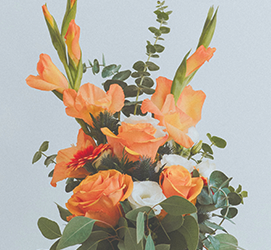
How to Select Seasonal Flowers for Events in [AREA]
Posted on 13/11/2025
How to Select Seasonal Flowers for Events in [AREA]
You can smell a great event before you see it. Fresh foliage, a whisper of roses, maybe that spicy clove scent from stocks drifting across the room. Choosing the right seasonal flowers is how you get that reaction--the quiet gasp, the phones out, the photos everywhere. If you've ever wondered how to select seasonal flowers for events in your area without stress or guesswork, you're in the right place. This guide distils years of on-the-ground floral planning across the UK into practical steps, expert insights, and friendly advice you can use today.
We'll walk through timing, colour, scent, sustainability, UK compliance, and real-world budgets, plus the small tricks florists use to keep arrangements looking crisp from the first guest arrival to the last glass collected. And yes, we'll talk about lilies (and their pollen) too. Truth be told, a calm, seasonal plan unlocks everything else: style, savings, and far fewer headaches.
Table of Contents
- Why This Topic Matters
- Key Benefits
- Step-by-Step Guidance
- Expert Tips
- Common Mistakes to Avoid
- Case Study or Real-World Example
- Tools, Resources & Recommendations
- Law, Compliance or Industry Standards (UK-focused)
- Checklist
- Conclusion with CTA
- FAQ
Why This Topic Matters
Seasonality isn't just a trend. It's a practical blueprint for beauty, value, and reliability. When you choose flowers that are in season in [AREA], they often travel less, cost less, hold better, and look their best--healthier petals, deeper colours, fuller heads. That's the kind of difference your guests notice, even if they don't know why.
Event planners, couples, and brand teams ask us the same thing: how to select seasonal flowers for events in [AREA]--with confidence. They want the perfect palette that suits their date and venue, with no last-minute scrambles. And let's face it, last-minute scrambles are exhausting. When you go seasonal, you plan smarter and spend better.
Micro moment: It was raining hard outside that day, the kind of sideways rain only the British Isles can produce. We swapped a fragile imported bloom for locally grown ranunculus at the eleventh hour. Saved the brief, saved the budget, saved the mood. Guests never knew--but they felt it.
Key Benefits
- Freshness and quality: Seasonal flowers are often cut closer to the event date and arrive fuller and more vibrant. The petals feel thicker; stems are more robust.
- Budget-friendly: In-season blooms can be 15-30% more cost-effective than hard-to-source imports. You'll usually get more stems per pound. Clean, clear, calm. That's the goal.
- Reliability under UK weather: Local growers know how to adapt to frost, heatwaves, and supply hiccups. That reliability saves nerves.
- Authentic style: Tulips in April, peonies in May-June, dahlias in late summer--using what's blooming now grounds your event in time and place. It just feels right.
- Sustainability gains: Fewer air miles, better transparency. Choosing British-grown when possible supports local farms and reduces footprint.
- Longer vase life (often): Fresher cuts mean arrangements look good through dinner, speeches, and the last dance.
- Design freedom: Counterintuitive but true. Seasonality focuses your choices and pushes creativity--think flowering branches in spring or textural grasses in autumn.
Variation you might search: How to Select Seasonal Flowers for Events in London, in Manchester, in Bristol, in your area--same principles, tweaked to local markets and growers.
Step-by-Step Guidance
Here's the exact process we use when advising clients on how to select seasonal flowers for events in [AREA]. It's straightforward, stress-light, and it works.
Step 1: Define the Event Story
Start with the feeling, not the flower list. Is your event modern minimal, warm rustic, chic heritage, or bold brand-forward? Grab three words that define it. Example: "elegant, light, romantic." These words guide everything else.
- Micro moment: A client said "coastal, clean, breathable." We chose sea-hued delphiniums, white sweet peas, and silvery eucalyptus. The room felt like fresh air.
Step 2: Lock the Date and Check Seasonality
Your date is destiny. Each month shapes your choice of seasonal blooms:
- Jan-Feb: Hellebores, anemones, narcissi (Scilly Isles), tulips, ranunculus.
- Mar-Apr: Tulips, ranunculus, hyacinths, blossom branches (cherry, quince), early peony varieties late April depending on weather.
- May-Jun: Peonies, garden roses, sweet peas, foxgloves, stocks.
- Jul-Aug: Dahlias, sunflowers, hydrangea, zinnias, cosmos, herbs.
- Sep-Oct: Dahlias, chrysanthemums, amaranthus, rose hips, autumn foliage.
- Nov-Dec: Hellebores, winter roses, ilex berries, eucalyptus, evergreens, paperwhites.
Note: Weather can shift availability by 2-4 weeks. Build a plan A and a plan B (we always do). To be fair, the British weather loves a plot twist.
Step 3: Choose a Cohesive Palette
Pick 1-2 hero colours, 1 supporting tone, and 1 grounding neutral (greenery or soft white). Example: blush + apricot heroes, toffee support, pale green neutral. This gives florists room to substitute seasonally but keep the vibe constant.
Step 4: Match Flowers to Function and Venue
- Entrances: Big impact, resilient stems. Consider seasonal branches, hydrangea, amaranthus.
- Table centres: Scent-aware and conversation-friendly. Avoid towering spikes in small rooms.
- Stage/podium: Front-facing designs, high visibility, avoid heavy fragrance near speakers.
- Bars/buffets: Lower scented, pest-resistant (no sugary sap near food).
- Outdoor areas: Wind and heat tolerant; protect with weighted vessels.
Venue quirks matter. High-ceiling halls in London love tall branches in spring; intimate Cotswold barns are gorgeous with dahlias and grasses late summer. You'll see why onsite.
Step 5: Balance Scent and Allergies
Some guests love fragrance; others sneeze at the thought. Use lightly scented options on dining tables--ranunculus, lisianthus, roses (selected varieties). Save heady notes--stocks, garden roses, tuberose--for entrances or photo areas.
- Allergy-friendlier: Orchids, hydrangeas, roses, ranunculus, calla lilies (low pollen).
- Avoid heavy pollen indoors: Stargazer lilies unless de-pollened, some chrysanthemums, certain lilies. If you must, remove anthers.
Step 6: Budget Like a Pro
Seasonal designs typically stretch the budget further. For UK events, a practical guide:
- Intimate dinner (30-50 guests): ?800-?2,000+
- Medium wedding (80-120 guests): ?2,000-?6,000+
- Large corporate gala (200-400 guests): ?6,000-?20,000+
Use seasonal "workhorse" stems to fill volume--hydrangea, chrysanthemums (disbuds), dahlias, branches--then add a few premium "hero" flowers for impact. Mixing textures is how you keep it luxe without blowing the budget.
Step 7: Source Smart (Local + Market + Imports)
In [AREA], leverage a mixed model:
- Local growers: Fewer miles, peak freshness. Great for focal blooms and foliage.
- London's New Covent Garden Flower Market: Broad seasonal availability, excellent for last-minute adjustments.
- Quality imports: When needed for specific colors or varieties out of season. Choose reputable, audited suppliers.
Ask for farm names and origin. It builds trust. And it's oddly satisfying to know your peonies came from a particular Midlands grower who's been at it 20 years.
Step 8: Confirm Logistics and Care
- Delivery window: Flowers should arrive 24-48 hours before design for conditioning.
- Onsite access: Loading bay times, lifts, stairs, venue restrictions (water, open flames, rigging).
- Hydration plan: Water sources, buckets, vases, hidden water supplies in arches/columns.
- Temperature control: Avoid radiators and direct sun; consider cool storage if heatwave.
- Strike plan: End times, repurposing, donation logistics.
Step 9: Build Flexibility Into the Brief
Write your brief by feel and palette rather than by rigid stem counts. Seasonal availability changes weekly; your florist will swap within palette to keep quality high. Trust them--it's their art.
Step 10: Final Review 10-14 Days Out
Walk through the plan with your florist. Confirm substitutions, scent, and quantities. Check the weather trend (yes, really). Ever tried clearing a room and found yourself keeping everything? Same feeling if you overcommit to off-season flowers. Keep it simple; keep it seasonal.
Expert Tips
- Make friends with foliage: British-grown eucalyptus, beech, and viburnum add movement and save money.
- Layer texture: Pair soft petals (ranunculus) with structure (branches) and a wild accent (grasses) for depth.
- Use scent intentionally: Keep heavy fragrance at thresholds, not at dinner tables.
- De-pollen lilies: If you love lilies, remove anthers with tissue to prevent stains. Simple, effective.
- Hydration hack: Quick-dip or hot-water treatment can improve uptake on woody stems. Your florist will know which.
- Colour temperature matters: Cool whites under LED lighting can look icy; warm them with a hint of cream or champagne tones.
- Repurpose cleverly: Ceremony urns can become bar features post-vows. Plan for it to save 10-20% of your budget.
- Photographer-friendly choices: Avoid tall, heavy greens blocking faces on top tables. Photographs win when flowers frame, not hide.
- Speak in feelings, not Latin names: Let your florist translate mood to stems. Less stress, better results.
- Leave 5-10% contingency: For weather, crop shifts, or last-minute table additions. Because life.
Side note: How to Select Seasonal Flowers for Events in [AREA] sounds formal, but the best choices are personal. Your memories, your season, your scent preferences. That's the heartbeat.
Common Mistakes to Avoid
- Fixating on out-of-season stems: Peonies in November are a budget trap and quality risk. Choose alternatives like garden roses.
- Ignoring the venue climate: Hot marquee? Choose heat-tolerant blooms and extra hydration. Cold stone hall? Consider resilient stems and candle-safe placements.
- Over-scenting dining tables: It fights with food and can trigger allergies. Keep it light.
- Not planning for setup/strike: Narrow access and short windows need more labour. Plan early to avoid last-minute costs.
- Choosing vases too tall for conversation: Guests will either hunch or move arrangements. Either way, awkward.
- No backup options: UK weather is cheeky. Always have alternates pre-approved within palette.
- Skipping hydration time: Flowers need to drink 6-12 hours before arranging to look their best.
- Forgetting light levels: Dark venues swallow mid-tone colours. Use highlights--white, champagne, or metallics.
Yeah, we've all been there. But now you won't be.
Case Study or Real-World Example
Spring Wedding in the Cotswolds (Late April)
Brief: "Romantic, airy, like a garden waking up." 90 guests, stone barn venue, ceremony inside due to rain (of course). The couple asked how to select seasonal flowers for events in [AREA] when the weather's flaky. Our answer: lean into it.
- Palette: Soft blush, buttercream, fresh green.
- Seasonal stars: Ranunculus, tulips, hellebores, early peonies (if available), cherry blossom branches.
- Design: Grounded meadow aisle pieces (repurposed as head-table runner), low compotes for tables, delicate bud vases.
- Scent strategy: Stocks at the entrance, unscented ranunculus on tables.
- Budget tip: Used blossom branches for scale instead of expensive off-season imports--saved ~18% overall.
Micro moment: The rain softened to a mist just before the vows. You could almost smell the wet stone and spring blossoms mixing--quiet, intimate, perfect.
Autumn Brand Dinner in London (October)
Brief: "Modern, editorial, not rustic." 120 guests, city venue, moody lighting.
- Palette: Rust, toffee, burgundy, deep green with a pop of ivory.
- Seasonal stars: Dahlias, amaranthus, chrysanthemums (disbuds), rose hips, smoke bush foliage.
- Design: Sculptural low arrangements, architectural candleholders, no scent at tables to respect tasting menu.
- Logistics: Tight loading; compact modular designs pre-built offsite for a 90-minute install.
Result: Sophisticated, photogenic, on-brief. The client asked for the supplier list--the dahlias came from a Kent grower, proud as anything.
Tools, Resources & Recommendations
- RHS (Royal Horticultural Society): Use the RHS Plant Finder and seasonal advice to understand availability and care.
- New Covent Garden Flower Market: Their monthly Flower Market Report gives real-time seasonal insights for London and beyond.
- British Florist Association (BFA): Look for BFA-accredited florists--good indicator of professionalism and standards.
- DEFRA/APHA plant health updates: For import restrictions and biosecurity guidance. Important if your florist sources specific imports.
- Local grower networks: Search "British-grown flowers [AREA]" and check for farm tours or open days. Building relationships helps in peak season.
- Palette tools: Simple colour pickers (Adobe Color) and mood boards (Pinterest, Milanote) to settle the scheme.
- Vase life references: Professional guides often list vase life by stem--handy when planning long events (6+ hours).
- Sustainability frameworks: Floriculture Sustainability Initiative (FSI) benchmarks, plus UK charities supporting local flower farms.
Recommendation hierarchy we use: seasonal first, story second, budget mindful, logistics true. In that order, decisions get clearer.
Law, Compliance or Industry Standards (UK-focused)
Events in the UK have a few compliance considerations when working with florals. Not the most glamorous part, but essential--and it keeps everyone safe and insured.
- Plant health and biosecurity: DEFRA and the Animal and Plant Health Agency (APHA) regulate plant imports. Your florist should source from compliant importers; certain plants may require phytosanitary certificates.
- Venue safety rules: Many UK venues prohibit naked flames near florals or require enclosed candles and flame-retardant materials. Check the venue's fire policy early; some also restrict water features or rigs.
- Waste duty of care (England & Wales): Event organisers must ensure floral waste is handled by a licensed carrier with waste transfer notes as required under environmental legislation.
- Food safety proximity: If placing flowers near food, avoid pesticide-contaminated stems and non-food-safe dyed blooms. Edible flower garnishes must come from food-approved suppliers with traceability.
- Allergens and accessibility: While not mandated, good practice is to disclose strong fragrances or potential allergens on event briefs. Consider low-pollen options for dining areas.
- Insurance and RAMS: Professional florists typically provide Risk Assessments and Method Statements (RAMS), plus public liability insurance--often requested by UK venues.
- Sustainability claims: If marketing an event as sustainable, ensure claims about "local" or "eco" florals are substantiated (CMA guidance on green claims).
It sounds formal, but once you tick these boxes, everything flows smoother. Peace of mind is priceless on event day.
Checklist
Use this quick list when planning how to select seasonal flowers for events in [AREA]. Print it, scribble on it, hand it to your florist--your call.
- Event story in three words (mood first).
- Confirmed event date and venue access times.
- Seasonal availability checked for your month.
- Palette set: 2 heroes, 1 support, 1 neutral.
- Functional design map (entrance, tables, stage, bars, outdoor).
- Scent plan (light at tables, character at thresholds).
- Budget bands agreed + 5-10% contingency.
- Primary and backup stems approved (same palette).
- Supplier transparency (grower origins where possible).
- Logistics & care (hydration, temperature, delivery, strike).
- Compliance (venue rules, RAMS, waste plan, food safety).
- Repurposing and donation strategy post-event.
Tick these and you're ahead of 90% of brief chaos. Promise.
Conclusion with CTA
If you remember one thing, let it be this: seasonal flowers tell your event's story in the language of right now. The colours make sense, the scents are gentle, and the stems hold up--through laughs, speeches, and that one song everyone sings too loudly. Choosing seasonally is how to select seasonal flowers for events in [AREA] without second-guessing yourself every five minutes.
Whether you're planning an intimate dinner in Bath, a modern launch in Shoreditch, or a garden wedding in York, the framework doesn't change: date drives selection, palette guides swaps, logistics protect the beauty you've planned. And with a trusted florist, you won't just avoid problems--you'll create moments people remember.
Get a free quote today and see how much you can save.
Here's to rooms that smell like fresh beginnings, and nights that feel a little bit magical.
FAQ
How far in advance should I book a florist for seasonal flowers?
For peak UK season (May-September), book 6-12 months out. For off-peak, 3-6 months is often fine. Seasonal planning works best when you secure design time early.
What flowers are typically in season for a spring event in the UK?
Ranunculus, tulips, anemones, hyacinths, hellebores, blossom branches, and early peonies (late April into May, weather-dependent). Soft colours photograph beautifully in spring light.
Can I get peonies for an autumn wedding?
Not reliably. Peonies are late spring to early summer in the UK. For autumn, choose dahlias or lush garden roses in similar tones for a comparable romantic look.
What are good allergy-friendly flowers for dining tables?
Hydrangeas, roses, ranunculus, orchids, and lisianthus are generally better tolerated. Avoid strongly scented blooms like stocks or lilies on tables; use them at entrances instead.
How do I keep flowers fresh during a long event?
Ensure proper conditioning, keep arrangements out of direct sun or near heat sources, and use water sources inside designs (vases, hidden water tubes). For heatwaves, earlier delivery and cool holding spaces help.
Is it cheaper to choose seasonal flowers?
Usually, yes. Seasonal stems are more abundant and travel less, so you often save 15-30%. You also get better quality--which means less wastage and stronger designs.
What's the best way to choose a colour palette?
Pick two hero colours, one supporting tone, and one neutral. Match to venue lighting and finishes. Share a few reference images, then let your florist translate mood into seasonal stems.
Are dyed or painted flowers safe to use indoors?
Reputable suppliers use safe dyes, but avoid placing dyed flowers near food and check for colour transfer risk. If sustainability is a priority, stick to natural colours and seasonal textures.
Can we repurpose ceremony flowers for the reception?
Absolutely. Design them to be portable--urns, ground meadows, and aisle pieces can move to bars or stages. Plan the logistics in your timeline to save budget and waste.
What if poor weather affects availability the week of my event?
Have a pre-approved substitute list within your palette. UK weather can shift harvests by a week or two. Flexibility is the secret to keeping quality high when choosing seasonal flowers.
How do I find local flower farms in [AREA]?
Search for "British-grown flowers [AREA]," check the BFA directory, and follow New Covent Garden Market reports to see which farms are in supply. Instagram can be surprisingly useful for local grower intel.
Are there sustainability certifications I should ask about?
Look for suppliers aligned with the Floriculture Sustainability Initiative (FSI) or equivalent ethical sourcing. Ask florists about British-grown options and transparent farm sourcing to cut transport emissions.
What's a realistic per-table budget for centrepieces?
For the UK: simple bud vases ?35-?70 per table; low compotes ?80-?180; statement designs ?200-?400+. Seasonal choices help you get more design for the same spend.
How to Select Seasonal Flowers for Events in [AREA] if we have brand colours that don't exist seasonally?
Translate brand hues into nearby natural tones and use linens, lighting, or stationery to bridge the colour gap. Focus hero flowers on texture and form instead of exact Pantone matches.
Are lilies a bad idea for events?
Not a bad idea--just handle with care. Remove pollen to prevent stains and avoid heavy scent on dining tables. Consider calla lilies or roses if you want a cleaner, lighter profile.
What's the one mistake to avoid above all?
Building your entire design around a single, out-of-season flower. Instead, create a palette and mood, then let seasonal availability guide the specific stems. Your event will look better and cost less. Win-win.


Latest Posts
Where to Buy Fresh Flowers in [POSTCODE] - A Shopper's Guide
How to Select Seasonal Flowers for Events in [AREA]
Essential Practices for Maintaining Cut Flowers' Vitality
Cultivating Orchid Excellence: Your Guide
Unlock the Stories Your Birth Flower Tells About Your Character